




🚨What’s Going on with Online Identity?
In 2026, digital identity systems have become deeply embedded in the way we navigate the online world. What was once a simple process of creating an account with an email address has evolved into an almost universal requirement for real-world identity verification.
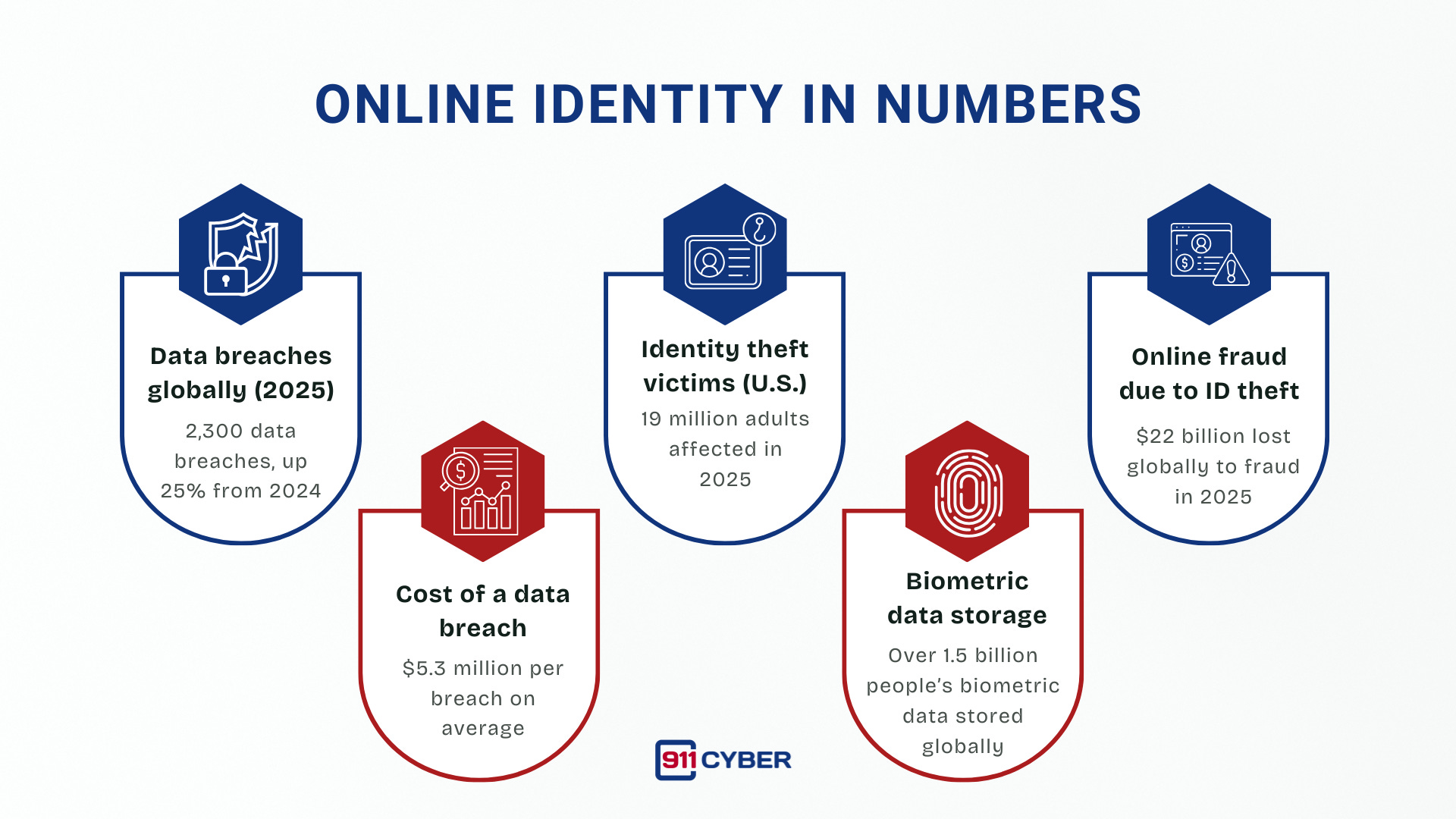
From age-restricted platforms to government services, we’re increasingly required to verify our identity using biometrics, government IDs, and third-party services. This trend is driven by concerns over fraud, child safety, and personalized services, but it comes at a cost. As more personal information is collected, the risks associated with breaches, misuse, and surveillance have skyrocketed.
In the wake of several high-profile data breaches and the rise of AI-driven profiling, the question of how and where our identity data is stored and used has never been more critical. We’re now facing a future where privacy is under threat, and anonymity online is becoming a rare commodity.
😡 The Digital ID Backlash Is Real
The backlash against digital ID systems is intensifying as more people become aware of the potential risks to privacy and security.
What started as a push to secure online spaces and verify user identity has now sparked heated debates about surveillance, data misuse, and overreach by both governments and corporations.
Discord, for instance, was forced to retract a controversial ID verification process after users expressed concerns about facial recognition and the privacy of their personal data.
Similarly, several U.S. states have seen strong opposition to age-verification laws that require users to upload government-issued IDs, with critics arguing that these systems are overly intrusive and can lead to identity theft.
The fear is real: As we continue to upload more sensitive information online, the risk of breaches and exploitation grows. Privacy advocates are calling for stronger regulations to ensure transparency and accountability, warning that without significant reforms, we’re heading toward a future where our personal data is up for sale and under constant surveillance.
⚠️ What Can Go Wrong?
Data breaches, surveillance misuse, and AI exploitation are some of the biggest concerns surrounding digital ID systems.
Data Breaches
If personal identity data (name, address, government IDs, etc.) is stored in centralized databases, hackers can steal it. We’ve seen massive breaches in platforms like LinkedIn, Facebook, and Equifax that exposed millions of identities.
Surveillance
Real-world identities tied to our online actions could create permanent records of everything we do online, especially with the rise of AI systems that can analyze and store data at an unprecedented scale. This leads to a world of permanent surveillance, with corporations and even governments able to track our activities and predict our behavior.
AI Profiling
AI systems can use digital identities to build behavioral profiles. These profiles could be used for targeted ads, political manipulation, or even social scoring. This data might not just stay private, but it can be sold to data brokers without us ever realizing it.
🛡️ What Can You Do About It?
🧐 Why Should We Push Back Against This Trend?
As digital identity systems evolve, we risk losing control over our personal information. Once our data is uploaded and stored, it can be exploited by hackers, used for unwanted profiling, and shared without our consent.
The current trends of digital surveillance are normalizing behaviors that could fundamentally shift what it means to live in a free society.
Privacy is a basic human right, and if we allow these systems to expand unchecked, we may be giving up more than we realize.
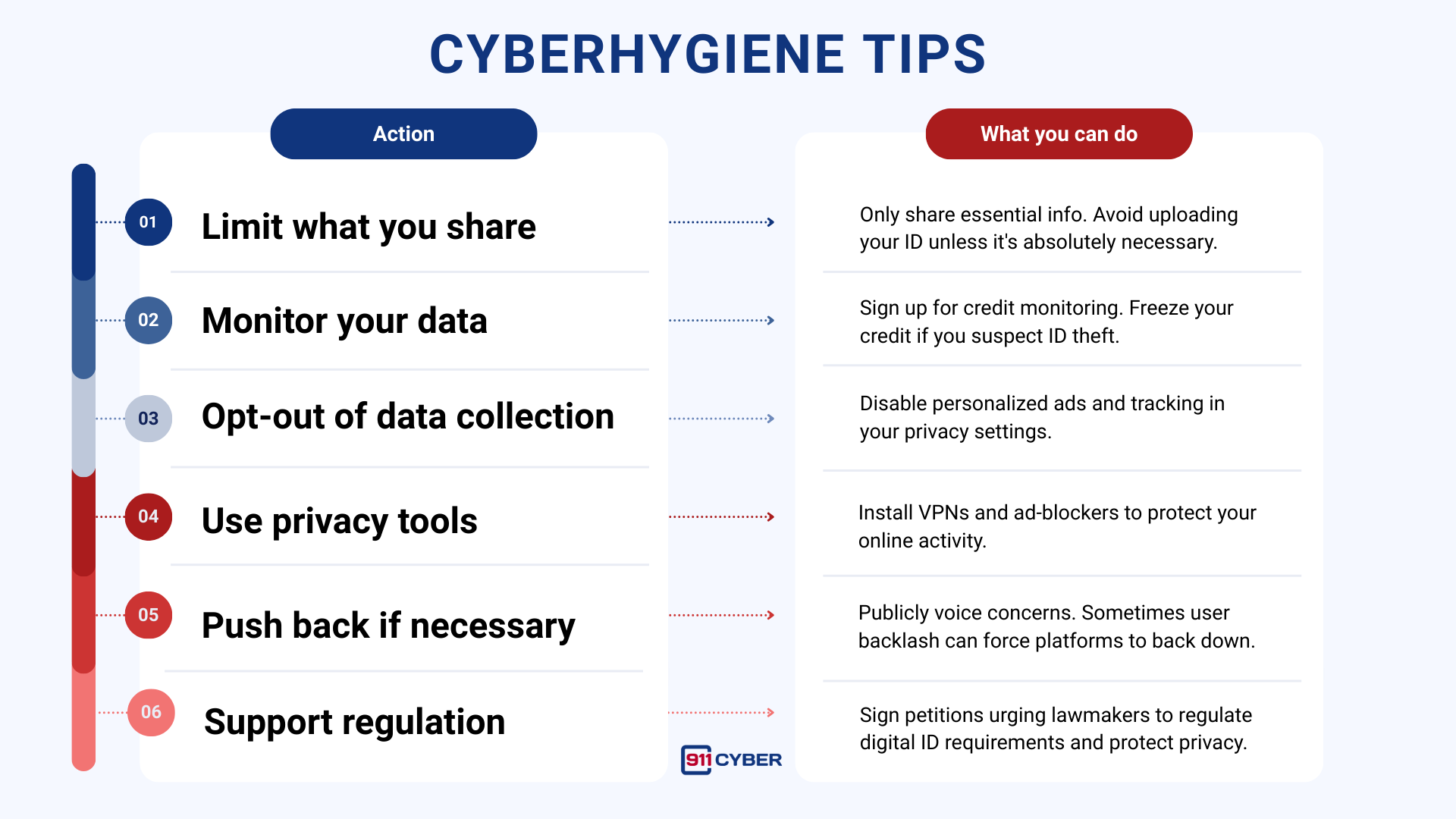
Fighting back means protecting our right to privacy and advocating for strong laws that regulate how our data is used, who can access it, and how long it’s stored.
🧰 What Resources Are Available to Help?
📚Books
AI in the Surveillance: The Digital Eye of Control by Sebestyén István
Surviving the Surveillance Internet by Taylor Royce
THE DEATH OF PRIVACY by JD Arden
🎙️ Podcasts
Digital Identity Wallets: How They Work and What Big Tech Is Hiding by GRC Academy with Dr. Paul Ashley
What might digital identity look like in the future? By Penny Crosman
Let’s Talk About Digital Identity by Oscar Santolalla
AI and the Future of Identity by JR DeLaney
🌏 Other
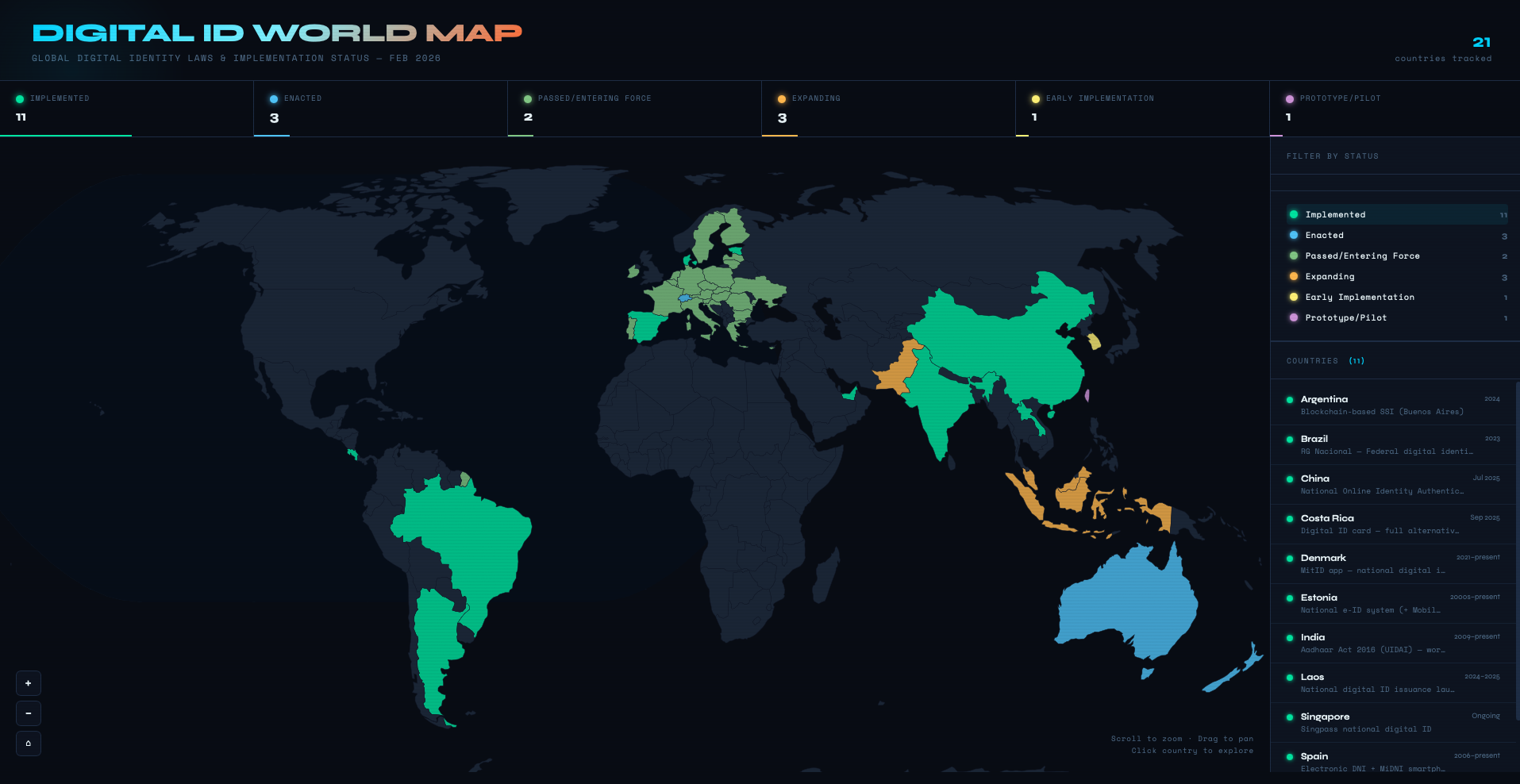
Digital ID World Map by 911Cyber
🔒 Final Thoughts
Digital IDs and online identity verification may seem like a solution to online safety, but they come with serious risks. As individuals, we have the power to take control of our data by practicing cyber hygiene and using the tools available to protect our privacy.
But we also need to push for stronger regulations to ensure our data is safe and used responsibly. The more we educate ourselves and act now, the better we can prevent a future where surveillance becomes the norm and our privacy is compromised.
It’s not too late to act, but the time is now. If we don’t demand stronger privacy laws today, we could wake up tomorrow in a world where anonymity online is extinct, and our every move is tracked.
Stay informed. Stay protected. Stay vigilant.

Subscribe and Comment.
Copyright © 2026 @ 911Cyber All Rights Reserved.
This article was written by Marc Raphael with the support of:
Team CyberMaterial and Team 911Cyber
Follow 911Cyber on: https://linktr.ee/911cyber